
Can Dogs Eat Blueberries?
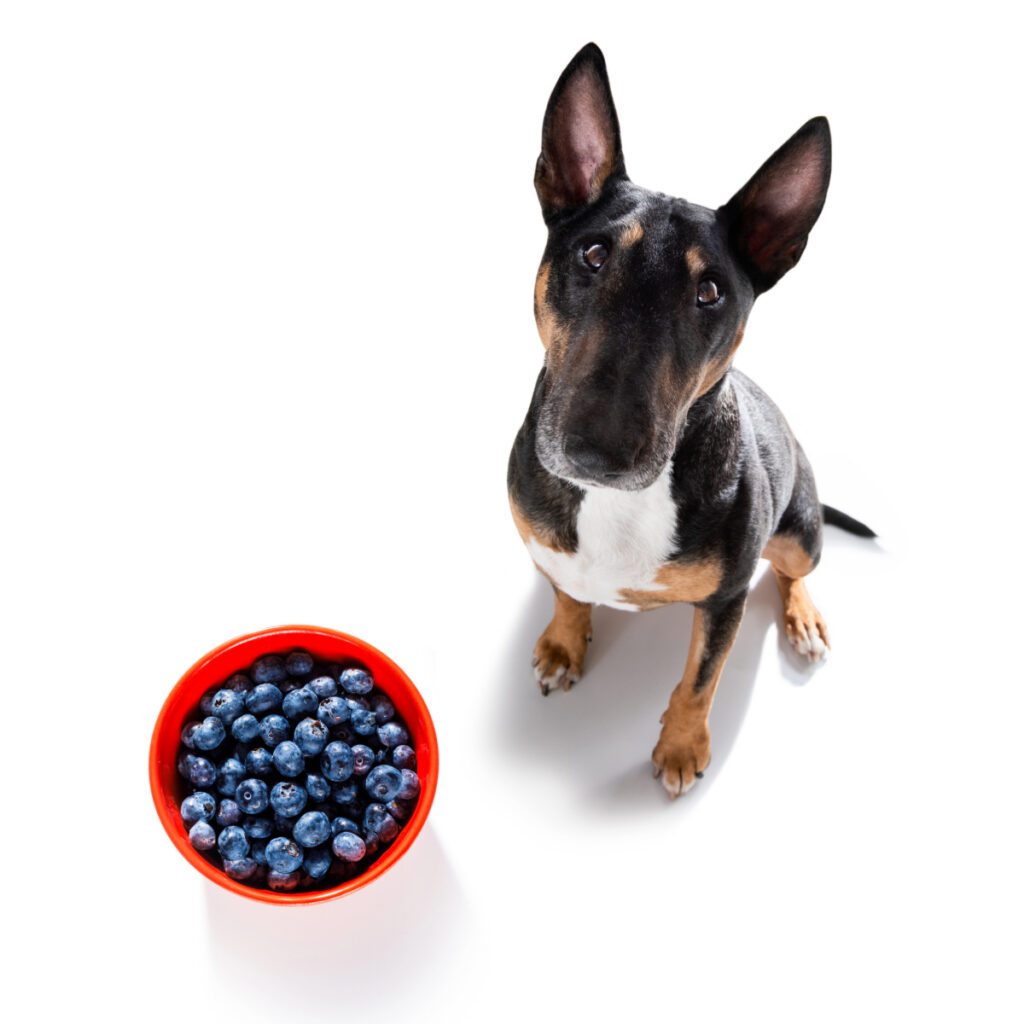
Can dogs eat blueberries? Yes, dogs can safely eat blueberries. In fact, they’re one of the best fruit options you can offer your dog as an occasional treat. Blueberries are low in calories, packed with antioxidants, and generally well-tolerated by most dogs. That said, there are a few things every dog owner in Covington should know before turning blueberries into a daily habit.
Are Blueberries Safe for Dogs?
Blueberries are considered a dog-safe fruit. Unlike grapes and raisins, which are highly toxic to dogs, or citrus fruits, which can cause digestive upset, blueberries pose very little risk when given in appropriate amounts. They are not on the ASPCA’s list of toxic plants for dogs, and veterinarians often recommend them as a healthy treat alternative to processed dog biscuits.
What Makes Blueberries Good for Dogs?
Blueberries are rich in antioxidants, particularly anthocyanins, which give them their deep blue color and help fight oxidative stress in the body. They also contain vitamin C, vitamin K, fiber, and manganese. These nutrients support immune function, cellular health, and digestive regularity. Some research suggests that the antioxidants in blueberries may offer cognitive benefits for aging dogs, much as they do for aging humans.
Are Blueberries a Good Treat for Dogs?
Yes, blueberries make an excellent treat for dogs. They are small, easy to eat, low in sugar compared to many other fruits, and naturally portion-friendly. Because they’re low in calories, they fit easily into a balanced diet without contributing significantly to weight gain. Many dogs enjoy them frozen as a cool summer treat. The question of whether dogs can eat blueberries doesn’t just get a “yes”, it gets a genuine endorsement from the veterinary community.
How Many Blueberries Can a Dog Eat?
Even safe foods can cause problems when given in excess. The general guideline is that treats, including fruit, should make up no more than 10% of your dog’s daily caloric intake. For most dogs, that translates to a small handful of blueberries per day. Larger dogs can handle a bit more, while smaller breeds should receive fewer. Overfeeding blueberries can lead to loose stools or an upset stomach due to the fiber content.
Can Puppies Eat Blueberries?
Puppies can eat blueberries, but introduce any new food slowly and in small amounts. Puppies have more sensitive digestive systems, and too much of anything unfamiliar can cause gastrointestinal upset. Start with one or two blueberries at a time and monitor your puppy for any signs of stomach trouble before making it a regular part of their routine.
Can All Dogs Eat Blueberries?
Most dogs can enjoy blueberries without any problems. However, there are some exceptions worth knowing. Dogs with diabetes or blood sugar issues should only receive blueberries with veterinary guidance, since even naturally occurring sugars can affect blood glucose levels. Dogs on a therapeutic diet for kidney disease, pancreatitis, or other conditions should have any dietary additions cleared by their veterinarian at Hometown Vets first.
Signs Your Dog May Not Tolerate Blueberries Well
- Loose stools or diarrhea after eating blueberries
- Vomiting or nausea
- Excessive gas or bloating
- Signs of allergic reaction such as itching, hives, or facial swelling
If your dog shows any of these symptoms after eating blueberries, discontinue the treat and contact Hometown Vets in Covington, GA for guidance.
How to Feed Blueberries to Your Dog
Fresh or frozen blueberries are both fine for dogs. Canned blueberries, blueberry-flavored products, or anything with added sugar, syrup, or artificial sweeteners (especially xylitol) should be avoided. Xylitol is extremely toxic to dogs and appears in many “blueberry” products made for human consumption. Always check the ingredient list before sharing any human food with your dog.
Safe Ways to Offer Blueberries to Dogs
- Fresh: Rinse thoroughly and offer a few at a time as a training reward or snack.
- Frozen: A great option on warm days. Many dogs enjoy the texture and the cooling effect.
- Mixed into food: A few blueberries can be stirred into your dog’s regular meal for a nutritional boost.
- Mashed: For senior dogs with dental issues, mashing blueberries makes them easier to eat.
Avoid giving blueberries in baked goods, jams, or smoothies, as these often contain ingredients that are harmful to dogs.
What Other Fruits Can Dogs Eat?
If you’re exploring safe fruit options for your dog, blueberries are an excellent starting point. Other dog-safe fruits include watermelon (seedless, no rind), apples (without seeds or core), bananas, and strawberries. Fruits to avoid include grapes, raisins, cherries, and avocado. When in doubt about whether a specific food is safe, our veterinary team at Hometown Vets is always happy to help.
Talk to Your Vet Before Changing Your Dog’s Diet
So, can dogs eat blueberries? Absolutely, and with good reason. They’re a nutritious, low-risk, and genuinely enjoyable treat for most dogs. But every dog is different, and what works well for one may not be ideal for another. If you have questions about your dog’s diet or want to know which treats are right for their specific health needs, our team at Hometown Vets in Covington, GA is here to help.
Good nutrition is one of the most powerful tools you have to support your dog’s long-term health. A quick conversation with your veterinarian can help you make the best food choices for your dog at every stage of life. Call (770) 728-4302 or book an appointment online today!