
Why Do Dogs Eat Grass?
You’ve just let your dog outside, and instead of taking care of business, they’re munching on grass like it’s lunchtime. Sound familiar? Dogs eating grass is one of the most common behaviors that puzzles and worries pet owners. The good news is that dogs eating grass is rarely a cause for alarm. The more interesting question is: why do they do it?
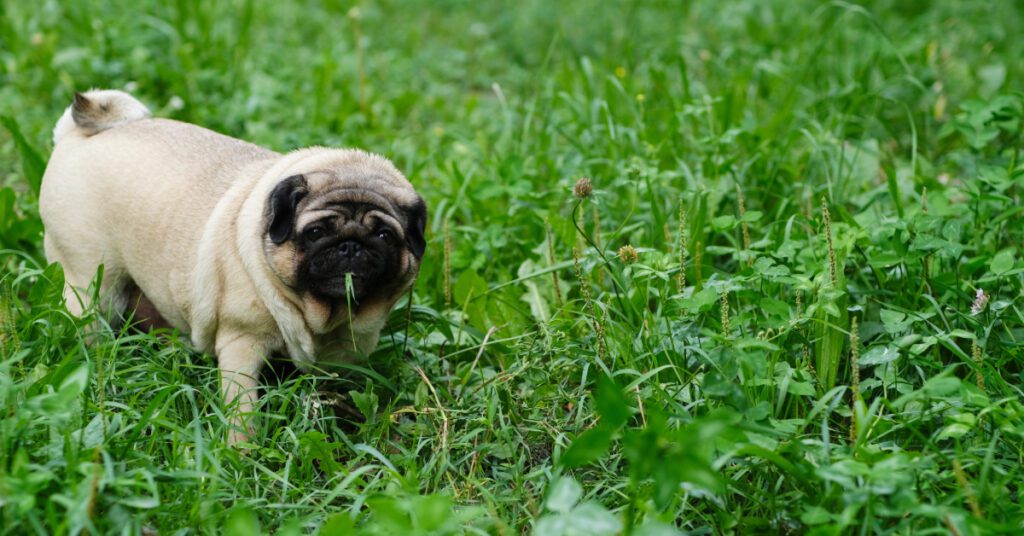
Why Do Dogs Eat Grass?
Dogs eat grass for a variety of reasons, and despite decades of research, there isn’t one single explanation that covers every dog. Most dogs that eat grass are not sick, and most don’t vomit afterward. Dog grass eating appears to be a normal, instinctive behavior that goes back thousands of years before domestication.
Instinct and Ancestral Behavior
Wild canids such as wolves, foxes, and their relatives regularly consume plant material, both intentionally and as a byproduct of eating prey that has ingested vegetation. Dogs retain many of these ancestral behaviors, and eating grass may simply be an expression of that deep-rooted instinct. Grass eating in dogs has been documented across many breeds and ages, including puppies that have never been ill a day in their lives.
Dietary Fiber and Nutritional Needs
Some veterinarians believe dogs eat grass to supplement their diet with additional fiber. Grass contains roughage that may help move things along in the digestive tract, particularly for dogs whose regular diet is low in plant-based material. If your dog is eating grass frequently, it may be worth discussing their diet with our veterinary team at Hometown Vets in Covington, GA to see if a dietary adjustment could help.
Boredom and Behavioral Reasons
Dogs that aren’t getting enough mental or physical stimulation will often find their own entertainment. Eating grass is a tactile, sensory experience, and for some dogs, it’s simply something to do. Dogs that graze out of boredom often stop when given more exercise, enrichment activities, or interactive play.
They Actually Like the Taste
This one surprises many owners, but some dogs just enjoy the taste and texture of grass, particularly in spring when new growth is tender and sweet. A dog eating grass enthusiastically and without any subsequent vomiting or distress may simply be a dog that likes grass.
Does Eating Grass Mean a Dog Is Sick?
The popular belief that dogs eat grass to make themselves vomit when they feel sick is only partially supported by research. Studies have shown that the majority of dogs that eat grass do not vomit afterward. However, some dogs do appear to seek out grass when their stomachs are upset, and the act of swallowing grass, particularly in large amounts quickly, can trigger vomiting. Whether the grass causes the vomiting or whether a sick dog is more likely to eat grass remains an open question.
When Grass Eating and Vomiting Go Together
If your dog regularly eats grass and then vomits, it’s worth tracking when and how often it happens. Occasional grass-induced vomiting in an otherwise healthy dog is generally not a concern. But if grass eating and vomiting are happening daily, or if your dog seems uncomfortable, lethargic, or off their food, an underlying gastrointestinal issue may be involved and a veterinary evaluation is warranted.
Is It Safe for Dogs to Eat Grass?
Grass itself is generally not toxic to dogs. The risk is in what the grass has been treated with. Herbicides, pesticides, and fertilizers applied to lawns or parks can be harmful if ingested by dogs. If your dog is a regular grass eater, it’s important to be aware of what products are used in the areas where your dog grazes.
- Avoid treated lawns: Keep your dog away from grass that has been recently sprayed with pesticides or fertilizers until it has fully dried and been watered in.
- Watch for foxtails and other plant hazards: Certain grass species and seed heads can cause injuries or blockages if swallowed.
- Be cautious in public areas: Parks and shared green spaces may be treated with chemicals you’re not aware of.
When Should You Be Concerned About Your Dog Eating Grass?
Most dogs that eat grass are perfectly healthy. However, there are situations where dog grass eating may signal a problem that needs veterinary attention:
- Your dog is eating grass compulsively or in unusually large amounts
- Grass eating is always followed by vomiting
- Your dog seems distressed, anxious, or in pain before or after eating grass
- There is blood in the vomit or stool
- Your dog is also showing signs of lethargy, appetite loss, or weight loss
- The grass eating behavior developed suddenly in a dog that never did it before
Any of these signs alongside your dog eating grass should prompt a call to Hometown Vets in Covington, GA. A veterinary exam can help rule out gastrointestinal disease, nutritional deficiencies, or anxiety-related disorders.
How to Manage Grass Eating in Dogs
If your dog’s grass eating is not medically concerning, managing it is largely about understanding the motivation behind it. For dogs that seem to graze out of curiosity or boredom, increasing enrichment and exercise can reduce the behavior naturally. For dogs that appear to be seeking fiber, a dietary change may help. Your veterinarian at Hometown Vets can help you figure out which category your dog falls into and suggest the most appropriate course of action.
The Bigger Picture of Your Dog’s Digestive Health
Dogs eating grass has been happening as long as dogs and grass have coexisted, and for the most part, it’s nothing to lose sleep over. Understanding the behavior in context including how often, how much, whether it’s followed by vomiting, and whether your dog seems well otherwise, is the key to knowing when it’s routine and when it’s a red flag.
At Hometown Vets in Covington, GA, we welcome conversations about your dog’s habits, no matter how mundane they may seem. Behavioral patterns often tell us a great deal about an animal’s overall health. If you have questions about your dog’s grass eating or anything else about their wellbeing, our team is here to help. Call (770) 728-4302 or book an appointment online today.