
Can My Dog Eat That? A Guide to Dog-Safe Vegetables
When pet owners explore what vegetables dogs can eat, they want clear answers they can trust. Many vegetables support a dog’s diet when offered in safe portions, and understanding what vegetables dogs can eat helps you choose options that support your pet’s daily nutrition goals. While dogs rely on a balanced diet created for them, certain vegetables make great additions to their routine when introduced thoughtfully. This guide outlines what vegetables dogs can eat, how to serve them, and which options to avoid so you can make informed choices for your dog’s snack time.
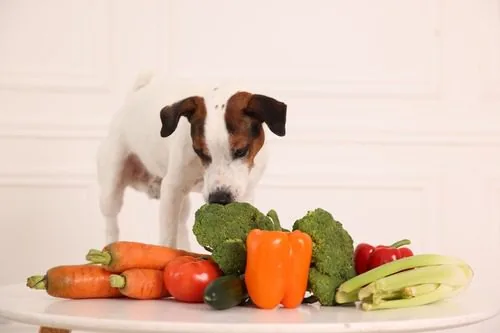
A Fresh Look at What Vegetables Can Dogs Eat
Healthy snacking matters to pet owners, but many feel unsure about what vegetables dogs can eat without worry. This section introduces the benefits vegetables offer and sets the stage for deeper exploration. Vegetables add natural fiber, support hydration, and offer low-calorie treats many dogs enjoy. They also provide an easy alternative to processed snacks. When pet owners understand what vegetables dogs can eat, they’re more confident preparing healthy additions at home. Each vegetable has its own texture, flavor, and nutrient profile, so learning how they fit into your dog’s routine helps you make smart choices at mealtime and treat time.
Why Vegetables Appeal to Many Dogs
Vegetables offer a satisfying crunch and a mild flavor that many dogs find appealing. Some enjoy them raw, while others prefer them lightly steamed. When you explore what vegetables dogs can eat, you’ll notice dogs often gravitate toward options with a crisp texture. Vegetables also pair well with puzzle feeders, slow feeders, or training sessions if cut into small bites. This makes vegetables a flexible reward for pet owners who want lighter snack choices. When used strategically, vegetables can support mealtime enrichment and encourage slower eating.
Safe Vegetables Most Dogs Enjoy
Many pet owners ask what vegetables can dogs eat that are easy to prepare and widely tolerated. Several vegetables offer dog-friendly nutrition while staying gentle on sensitive stomachs.
Carrots
Carrots stand out as one of the most popular answers to “What vegetables can dogs eat?” Their natural sweetness and firm texture make them great for chewing and enrichment toys. Carrots provide fiber and moisture, and their crunch may satisfy dogs who enjoy gnawing on something. You can serve carrots raw, steamed, or shredded on top of meals. Frozen carrot sticks also make simple summertime treats. As you consider what vegetables dogs can eat, carrots often top the list due to their versatility.
Green Beans
When discussing what vegetables dogs can eat, green beans are another favorite. They offer low-calorie snacking and a crisp texture many dogs enjoy. Whether served raw or lightly cooked, green beans fit easily into most dogs’ diets. They’re often used as a substitute treat for dogs working on weight management because they add volume without adding excessive calories. Their fiber content supports digestion and can create a feeling of fullness. Green beans also mix well with other vegetables, giving you flexibility for meal toppers and training rewards.
Broccoli
Broccoli appears often in conversations about what vegetables dogs can eat, but it should be offered in small portions due to its concentrated nutrients. Many dogs appreciate broccoli florets as a crunchy snack. Steaming them softens the texture for dogs who prefer tender bites. The stalks can also be used, but they should be chopped into manageable sizes. When exploring what vegetables dogs can eat, broccoli’s bold flavor makes it appealing to some dogs but less interesting to others. Light portions keep it from overwhelming a dog’s digestive system.
Cucumbers
Cucumbers add hydration and crunch, making them refreshing treats for warmer days. Many owners curious about what vegetables can dogs eat find cucumbers to be an easy starting point. Their mild flavor works well for dogs who prefer softer, cooler snacks. Cucumbers offer moisture, fiber, and a crisp texture that suits training sessions or food puzzles. You can slice them into rounds, cut them into sticks, or dice them for a topper. Their simplicity makes them one of the most accessible answers to what vegetables can dogs eat for beginners.
Leafy Greens That Work for Dogs
Leafy greens often appear in conversations about what vegetables dogs can eat, especially for owners interested in nutrient-dense additions. Greens offer fiber and natural antioxidants while remaining low in calories, making them suitable for small portions added to meals.
Spinach
Spinach can be part of a dog’s vegetable rotation when used sparingly. Many pet owners researching what vegetables can dogs eat appreciate spinach for its nutrient profile and easy preparation. Lightly steamed spinach works best, as raw leaves may be harder to digest. Mixing a small amount into regular food adds variety without overwhelming your dog’s palate. Spinach’s soft texture also pairs well with other vegetables on this list. While spinach shouldn’t be used daily, it still qualifies as an option when learning what vegetables dogs can eat.
Lettuce
Lettuce, particularly romaine or leaf varieties, provides a mild and refreshing crunch. Many dogs enjoy the soft texture and light flavor. When asking, “What vegetables can dogs eat?”, lettuce often surfaces as a safe and easy vegetable that requires minimal preparation. Chop it into small pieces and mix into meals for added moisture and fiber. Lettuce can also be used during training sessions for dogs who prefer low-calorie rewards. Its gentle composition makes it one of the least complicated answers in the category of what vegetables can dogs eat.
Vegetables to Approach With Caution
While many items fall under safe vegetables for dogs, a few call for care and closer attention. Dogs respond differently to various textures and flavors, so observing your dog’s comfort matters when introducing new vegetables.
Peas
Peas are common in commercial dog foods, and many dogs enjoy them as treats. They should still be offered thoughtfully. Their soft texture appeals to most dogs, and frozen peas work well for training treats. However, moderation remains important. Too many peas may be heavy for some dogs, so using peas as an occasional snack keeps things balanced. You can mix peas with other vegetables to add color and variety to your dog’s meal.
Zucchini
Zucchini’s mild taste and tender texture suit a wide range of dogs. You can slice, steam, or grate it for simple meal additions. Many owners like to pair zucchini with carrots or cucumbers to create a mix of textures. When pet owners explore what vegetables dogs can eat, zucchini’s versatility often makes it a favorite choice for preparing homemade treats or enhancing meals with low-calorie options.
Vegetables to Avoid Entirely
Just as important as learning what vegetables dogs can eat is understanding which vegetables do not belong in a dog’s diet. These items appear on caution lists because they may interfere with a dog’s health.
Onions and Garlic
Onions and garlic consistently appear on lists of vegetables that dogs should not consume. They do not belong in the conversation about what vegetables dogs can eat because they may cause harm if ingested. These ingredients often appear in cooked foods, seasonings, and leftovers, so awareness helps pet owners avoid accidental exposure. It’s best to keep these vegetables away from treat recipes and homemade meals for dogs.
Leeks and Shallots
Leeks and shallots fall into the same category as onions and garlic and should not be included when discussing what vegetables can dogs eat. These vegetables may cause issues even in small amounts. Many pet owners don’t realize how frequently these items appear in sauces, broths, and mixed dishes, which is why intentional separation from dog meals is important. Avoid serving any vegetable from this group to your pet.
Supporting Your Dog’s Diet With Smart Choices
Exploring what vegetables dogs can eat helps pet owners feel confident offering safe and healthy additions to their dog’s daily routine. From crunchy carrots to refreshing cucumbers, many vegetables provide texture, flavor, and hydration that enrich snack time. When introducing something new, start with a small portion and observe how your dog responds. If you ever have questions about your pet’s diet or want guidance on healthy options, Hometown Vets in Covington, GA is here to help. Call (770) 728-4302 or book an appointment online today to discuss your dog’s nutrition goals with our knowledgeable team.