
What Your Dog’s Head Shaking is Really Telling You
When you notice your dog shaking their head more than usual, it’s natural to wonder what that behavior means. Head shaking signals irritation or discomfort, your dog’s way of trying to relieve whatever is bothering them. In many cases, the cause is minor, but persistent or intense shaking can indicate something that needs attention. Pet owners searching for answers often ask about dogs shaking their heads, and understanding the possible reasons helps you respond sooner and support your dog’s comfort. If your dog’s behavior seems out of character or becomes more frequent, Hometown Vets in Covington, GA is here to help. Call (770) 728-4302 or book an appointment online today.
Why Do Dogs Shake Their Heads?
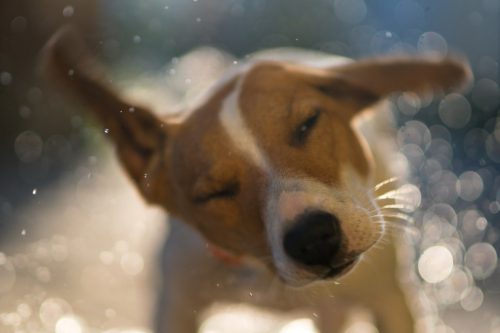
Head shaking is a natural reflex, but when it becomes repetitive, the behavior usually points to an underlying irritation. Many issues begin subtly, so noticing changes early allows you to support your dog and prevent the problem from worsening.
Everyday Irritations That Trigger Head Shaking
Dust, pollen, dirt, and even a stray hair can prompt a quick head shake. These moments are usually short-lived and not something to worry about. Dogs explore their world with enthusiasm, which means they often encounter environmental irritants that lead to temporary discomfort. If the shaking happens once or twice and stops, your dog likely resolved the issue on their own. However, when irritations persist, the repeated behavior can cause additional inflammation. Monitoring how often you notice dog shaking head episodes helps you spot patterns worth discussing with your veterinarian.
When Moisture Becomes a Problem
Water trapped in the ears often leads to ongoing head shaking in dogs. Bath time, swimming, or playing outdoors on humid days can introduce moisture into the ear canal. Because a dog’s ear canal is shaped like an “L,” water doesn’t drain the same way it does for humans. Repeated shaking is your dog’s attempt to clear out that moisture, but if it doesn’t work, irritation can increase. Some dogs shake immediately after swimming, while others may continue shaking hours later. If you notice your dog shaking their head after water exposure more frequently than usual, consider it an early sign of ear discomfort.
Understanding the Ear-Related Reasons Behind Head Shaking
When the topic of your dog shaking its head comes up, ear-related concerns are among the most common explanations. Dogs rely heavily on their ears for communication and awareness, so any change in comfort often leads to noticeable behavior changes.
Irritated or Sensitive Ear Canals
Even mild inflammation inside the ear canal can cause a dog to shake their head repeatedly. Irritation may develop from environmental triggers, seasonal changes, or accidental scratching during grooming. Once the ear becomes sensitive, even slight movement can feel uncomfortable. Dogs may combine head shaking with pawing at their ears or tilting their head. This pattern often signals that something deeper is causing ongoing discomfort.
Debris or Foreign Material Inside the Ear
Grass seeds, small insects, bits of plant debris, and even sand can get caught inside a dog’s ear canal during outdoor activities. Because these materials don’t belong there, your dog will instinctively try to shake them out. The more embedded or irritating the debris, the more persistent the shaking becomes. Dogs with floppy ears may be especially prone to this issue because the ear flap can trap unwanted material. If your dog spends time on hiking trails, in tall grass, or at the dog park, debris-related head shaking could be one reason you’re noticing the behavior.
Ear Hematomas and Discomfort
Repeated head shaking can sometimes cause swelling between the layers of the ear flap. This swelling, known as a hematoma, develops when blood vessels inside the ear flap burst from the force of the shaking. The swelling itself then becomes a new source of discomfort. Dogs with larger, heavier ears may be more prone to this problem. If you notice swelling or your dog avoids having their ears touched, it’s a sign they need to be evaluated.
Behavioral and Environmental Reasons Dogs Shake Their Heads
While ear-related concerns are the most well-known reasons associated with dog shaking head, behavior and environment also influence how often dogs shake. Understanding these factors offers a broader picture of what your dog may be trying to express.
Stress, Excitement, or Compulsive Behavior
Dogs sometimes shake their heads during moments of excitement, stress, or transition. This behavior can appear before going outside, during playtime, or after meeting new people or pets. In these cases, the shaking reflects emotional energy rather than discomfort. However, if the shaking becomes a repetitive habit, it may evolve into a compulsive behavior. Tracking when your dog shakes their head helps you determine whether the cause is emotional or physical.
Sensory Overload or Distraction
Hearing a loud noise, feeling a light touch, or reacting to a quick environmental change can prompt a dog to shake their head. Dogs with heightened sensitivity may respond to everyday stimuli with noticeable physical reactions. While occasional shaking is normal, repeated shaking in response to minor changes may indicate that something is bothering them more than usual. If you see this behavior paired with avoidance or hesitation, it may signal that your dog feels overwhelmed.
Grooming-Related Discomfort
Dogs often shake their heads after grooming visits or after you clean around their ears at home. Shaking helps them adjust to the feeling of trimmed hair, new scents, or products used during grooming. If your dog continues to shake their head long after grooming has ended, it may indicate that a leftover irritant is present.
When To Worry About a Dog Shaking His Head
Frequent dog shaking head episodes that continue for several days usually signal a deeper issue. While many causes are manageable, recognizing the signs early can help your dog feel better sooner.
Behavioral Red Flags to Watch For
Dogs often communicate their discomfort long before symptoms escalate. You may notice them rubbing their head against furniture, whining during rest, or avoiding certain types of touch. A dog who shakes their head constantly may also seem more withdrawn or restless. These changes can appear slowly or suddenly, depending on what’s bothering them. Paying attention to shifts in behavior helps you track how long the issue has been present.
Physical Changes Around the Head and Ears
In addition to shaking, dogs may show physical signs like redness, odor, discharge, or tilting of the head. Any of these signs paired with frequent shaking indicates they may be trying hard to relieve irritation. Because dogs can’t explain their discomfort, subtle changes in appearance often provide important clues. Even hesitating to chew on one side or shying away from head pats can be behavior associated with ongoing irritation.
How Long-Term Shaking Affects Your Dog
Persistent shaking places stress on the muscles in the neck and around the ears. Over time, this can lead to stiffness or tenderness when your dog moves their head. Long-term shaking may also cause the skin to become more sensitive, making it harder for your dog to relax. Addressing the issue early helps prevent this cycle of discomfort from building.
Helping Your Dog Feel Comfortable Again
When you see your dog shaking its head repeatedly, you want to understand the cause and find support to help them feel comfortable again. Your veterinarian can examine your dog, identify what’s contributing to their discomfort, and discuss the next steps. The sooner your dog receives attention, the sooner they can get back to their normal routine. Hometown Vets in Covington, GA welcomes you to reach out with any concerns big or small. Call us at (770) 728-4302 or book an appointment online today.