Is It a Cold or Something More? A Guide to Cat Sneezing and Veterinary Care
Cat sneezing can range from a simple, harmless reaction to dust to a sign of something more serious that requires veterinary attention. When a cat sneezes, it is the body’s natural attempt to clear irritants from the nasal passages, but frequent or persistent sneezing may point to an underlying condition. This guide explains common reasons behind cat sneezing, how veterinarians assess respiratory health, and what symptoms should prompt a call to Hometown Vets. If your pet shows ongoing cat sneezing paired with other changes, reach out to our Covington team at (770) 728-4302 or book an appointment online today.
Causes of Cat Sneezing
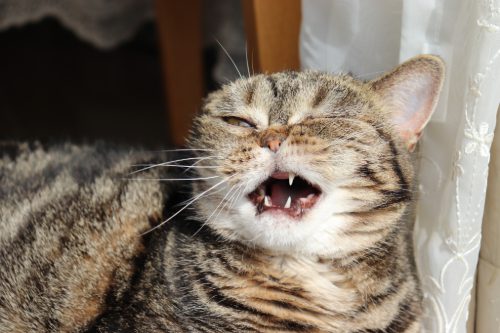
Cat sneezing can stem from a wide range of factors, and some are far more complex than they might appear. While an occasional sneeze may simply reflect dust or pollen, repeated sneezing often signals irritation, inflammation, or infection within the upper respiratory system. Many pet owners notice cat sneezing during seasonal shifts, after changes in household cleaners, or when their pet interacts with new environments. However, infections, nasal blockages, and immune-related conditions also appear frequently in veterinary cases. Cats experience these issues differently based on age, overall health, and vaccination history.
Irritants in the Environment
Many cats sneeze in response to common household triggers such as dust, fragrances, aerosols, smoke, candles, or strong cleaning products. These particles can irritate the sensitive tissues in the nose, prompting sudden bursts of sneezing. While these episodes often pass quickly, frequent exposure can lead to more sustained cat sneezing over time. Some cats are more sensitive than others, and even mild irritants may lead to noticeable symptoms. If a cat develops watery eyes or nasal discharge after encountering a new scent, this may indicate irritation rather than illness. In homes with new furniture, remodeling work, or seasonal allergies, cat sneezing may temporarily increase and then taper off once the irritant is removed.
Viral Conditions
Certain viral infections are among the most common reasons for persistent cat sneezing. Feline respiratory viruses circulate easily, especially in multi-pet households or among cats recently adopted from shelters or rescues. If a viral condition spreads, the sneezing may intensify, and additional symptoms such as nasal discharge or eye discharge may appear. Kittens and unvaccinated pets may be more vulnerable, and their symptoms often last longer. While cat sneezing from viral causes can vary in intensity, early veterinary support helps guide the appropriate care plan. Preventive measures, such as staying current on vaccinations, lower the risk of these respiratory concerns.
Bacterial Involvement
Bacterial infections sometimes develop alongside or after a viral condition, which increases the severity of cat sneezing. These infections irritate the nasal passages and may lead to thicker nasal discharge, decreased appetite, or increased lethargy. Bacteria thrive in inflamed tissues, which is why veterinarians often see mixed viral-bacterial respiratory cases in cats. Some bacteria spread easily among pets, creating clusters of symptoms within a household. Cat sneezing caused by bacteria may linger longer and appear more forceful than sneezing from environmental irritants. A veterinary exam helps determine whether bacteria are playing a role and what additional diagnostics may be needed.
Nasal Blockages and Foreign Material
Curious cats occasionally inhale particles or materials that become lodged within the nasal passages. These blockages may cause sudden, repeated cat sneezing as the body attempts to dislodge the object. Seeds, grass blades, dust clumps, and even small toy fragments have been found during veterinary exams. Beyond sneezing, blockages may lead to noisy breathing or pawing at the face. This type of issue can escalate quickly, as prolonged obstruction irritates the nasal tissues. Veterinary attention helps locate the blockage and determine the best next steps for relief.
Dental and Oral Factors
Many pet owners are surprised to learn that dental issues can lead to chronic cat sneezing. The roots of the upper teeth lie close to the nasal passages, and inflammation in this area may affect sinus tissues. In some cases, infection from the upper teeth can spread into the sinuses, prompting repeated or forceful cat sneezing. Dental-related sneezing may appear alongside difficulty eating, drooling, or oral discomfort. Because dental disease often progresses silently, sneezing may be one of the earliest indicators that something is happening beneath the gumline.
Recognizing When Cat Sneezing Means Something More Serious
Not all sneezing episodes require veterinary care, but some patterns signal the need for a professional evaluation. Cat sneezing that persists for several days or increases in frequency is one of the most common reasons pet owners contact Hometown Vets. When sneezing pairs with additional symptoms, concerns about respiratory health rise. Behavioral changes, appetite shifts, and overall demeanor also play important roles in assessing a cat’s condition. Since cats hide discomfort well, subtle symptoms often appear before more obvious ones.
Changes in Nasal Discharge
Discharge that changes in color or consistency often indicates inflammation or infection. Clear discharge may appear with mild irritation, but darker or thicker material may point to more significant concerns. Discharge appearing in only one nostril can suggest a blockage or structural issue. When discharge becomes persistent, it can lead to drying around the nose, making breathing more difficult. Cat sneezing paired with discharge should be monitored closely, especially if the discharge increases or spreads over time.
Eye Involvement
Watering, squinting, or redness around the eyes may accompany respiratory symptoms. Eye changes often appear in pets dealing with viral respiratory conditions, and some viruses focus heavily on eye tissues. When these symptoms escalate, cats may avoid bright light or rub their face. Cat sneezing combined with eye irritation tends to be more persistent and may require supportive veterinary guidance. These signs help your veterinarian narrow down the likely cause of the respiratory changes.
Changes in Appetite or Activity
Respiratory discomfort sometimes affects a cat’s interest in food or daily routines. Congestion may reduce a cat’s ability to smell, which can decrease appetite. Cats experiencing discomfort may also retreat to quiet spaces or become less social. While these symptoms alone may not seem dramatic, their connection to frequent cat sneezing offers meaningful insight. Any extended shift in appetite or behavior is worth discussing with a veterinarian, as early recognition supports timely care.
How Veterinarians Evaluate Persistent Cat Sneezing
Our veterinary team takes a detailed, step-by-step approach to diagnosing the cause of cat sneezing. A typical evaluation includes a physical exam, a close look at the eyes, nose, and mouth, and a review of your pet’s history. Many cases are straightforward, but some require additional testing to understand the underlying issue. The goal is to identify what is driving the cat sneezing and determine the best course of action moving forward. At Hometown Vets, our Covington team supports pet owners throughout every stage of the diagnostic process.
Physical Examination and History Review
Veterinarians begin by asking about the duration, frequency, and intensity of the cat sneezing. They also gather information about recent changes in the home, new pets, or exposure to possible irritants. The physical exam helps evaluate breathing, check for nasal swelling, and assess the condition of the eyes and mouth. This exam offers immediate clues about whether the cause appears environmental, viral, bacterial, or structural. A thorough review of vaccination history also supports the diagnostic process.
Diagnostic Testing
Some cases call for additional tests to identify what is driving the cat sneezing. These tests may include imaging, swabs, or lab work. Each diagnostic option provides insight into nasal irritation, respiratory patterns, or underlying immune responses. Imaging allows veterinarians to view nasal structures, helping them identify blockages or abnormalities. Swabs can detect viral or bacterial involvement. Lab work may support a broader view of the pet’s overall health and guide next steps.
Monitoring and Follow-Up
After diagnostics, veterinarians monitor the cat’s progress to evaluate how the condition is trending. Follow-up exams allow the team to reassess symptoms and make adjustments based on how the cat is responding. Because respiratory conditions can shift quickly, regular monitoring remains an important part of the process. Hometown Vets works closely with families in Covington to support long-term respiratory health.
How Hometown Vets Can Help Your Cat
If your pet is experiencing frequent cat sneezing or showing additional symptoms, the veterinary team at Hometown Vets is ready to help. Our Covington hospital offers diagnostics and supportive respiratory care tailored to your pet’s needs. Cat sneezing can have many causes, and early veterinary attention helps guide the right next steps. Schedule your visit by calling (770) 728-4302 or book an appointment online today.